How to Avoid False Positives in Institutional AI Detectors

Introduction
Artificial Intelligence (AI) has tremendously evolved how content is being generated by professionals. Prior to now, professionals were expected to carry out thorough research to generate content, but with the emergence of AI- powered writing assistants, generating content has been made more accessible and easier.
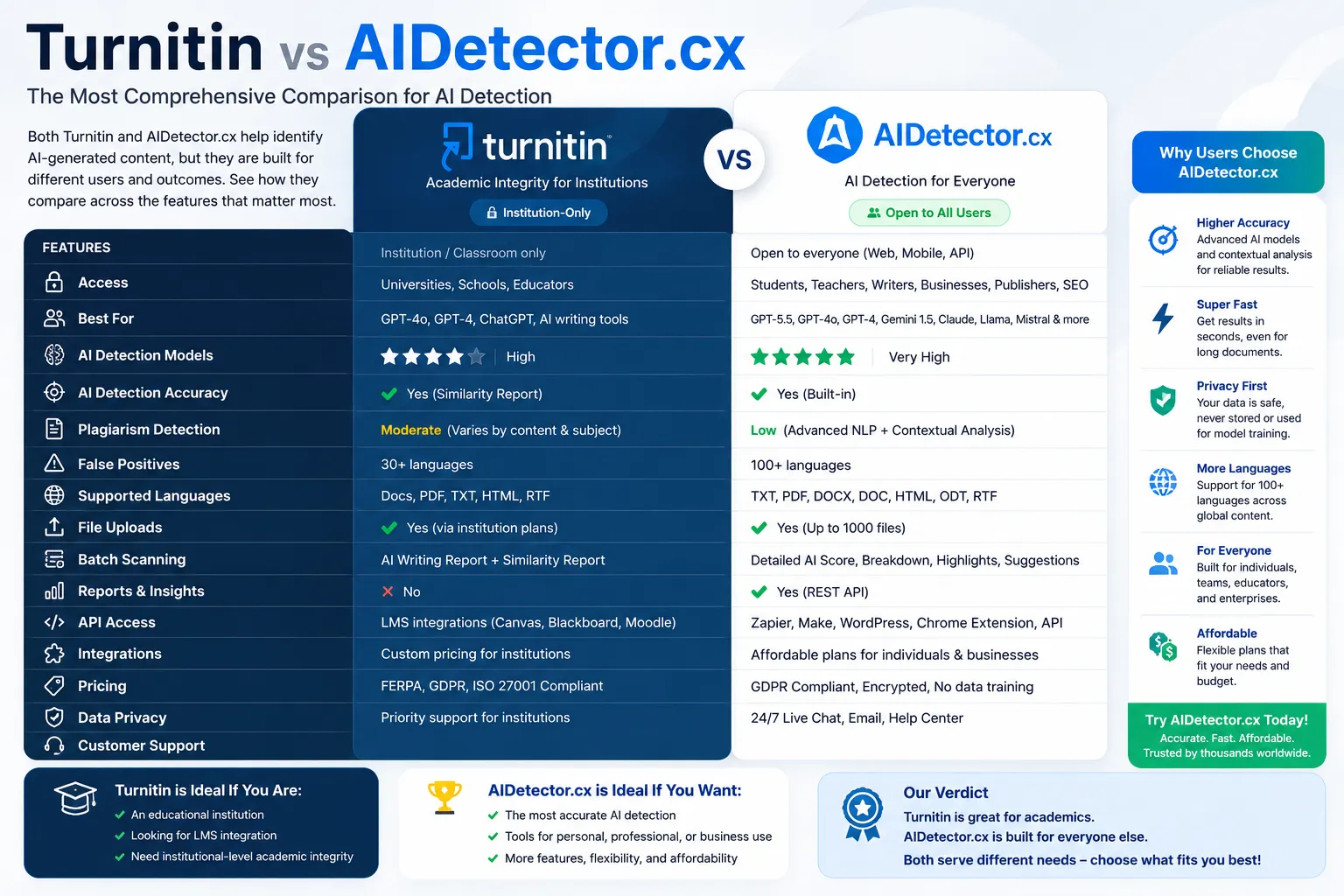
Notwithstanding the impact of the new wave of these technologies , structures are being set up by educational institutions, certification bodies to ensure AI detection of content to enable authenticity and confirm if content is generated by AI.
As much as these detectors are put in place to verify academic accuracy and performance they are not 100% accurate. A major essential constraint associated with AI detectors is the presence of False positives- situations where authentic human written content are being misinterpreted as AI generated. Such mistakes could have adverse effects, such as prolonged investigation, disciplinary actions, falsified results, as well as heightened negative pressure on students and professionals.
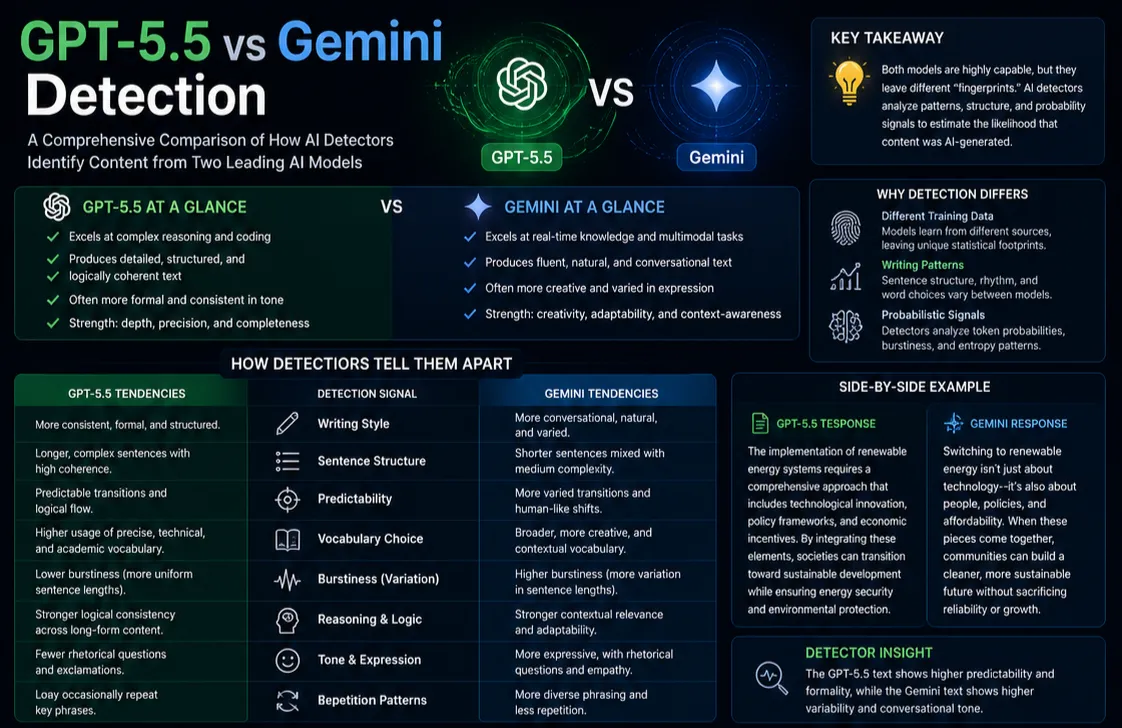
The occurrence of False positive is mainly as result of AI detection tools' great dependence on probability analysis as opposed to definitive proof. They conduct their test based on patterns such as, grammatical accuracy, punctuation, writing consistency, sentence predictability. However, many authentic writers , most especially those who write in highly sophisticated manner, may generate sophisticated use of language that seems similar to patterns of AI generated content.
To avert false positives does not strictly rely on “defeating “ AI detectors through manipulation. It entails adopting authentic writing skills , generating relatable content that seems to be original and organic.With the measures being set up by institutions to ensure AI governance, professionals also need to develop an authentic writing skill that would distinguish them.
1. Understanding Why False Positives Occur
The initial measure to avoid false positives is to consider the shortcomings of AI Detection technology. As opposed to popular belief, AI detectors do not not give an accurate verdict if a content is written with the aid of AI or human written. These systems rely heavily on the use of algorithm analysis to determine grammatical accuracy, writing style, and sentence predictability. Furthermore, their verdict should be used as indicator pointers as opposed to accuracy testers .
One of the factors that contributes to false positives is the ability for skilled professionals to provide high level and well polished content, through the use of sophisticated writing styles which is generally associated with AI generated content. On that basis a content that was written based on the use of high quality vocabulary structure might be flagged as an AI generated content, despite the authenticity of the author.
False positives may subsequently disfavor non- English speakers/content writers. This is a result of most writers using simplified language and grammar style for cohesiveness to enable their content to be well accessible by users, this may in turn affect their verdict, because most AI generated content adopt the same writing style. This would in turn create a scenario where authentic human generated content would be flagged as AI generated content because of writing style.
Another essential constraint is that institutional AI detectors mostly give their verdict on the approved content/project. They hardly have access to the thorough research that goes behind the scenes, which involves brainstorming sessions, corrections guidelines, drafts, or revision notes. Without laying hands on this contextual piece, giving a verdict on the final approved content based on the writing style would result in making inaccurate verdict.
The understanding of this structure would enable writers to appreciate/ value their efforts into creating an authentic content as opposed to deploying means to manipulate detection systems, would be the best strategy to adopt against false positives.
2. Adopting Authentic Writing Practices
Adopting an organic writing style is the best remedy to false positive results. An authentic writing naturally reflects a writer's perspective and conceptual understanding, as opposed to writing factual information, writers should adopt explanatory writing style by pouring their understanding into their content, and where applicable they adopt theoretical ideas backed up with practical examples.
Thorough understanding and inclusion of organic ideas helps in generating authentic content that will make it difficult for automated systems to flag such content as AI generated content.
Another essential factor is to cross check writing style, as the use of short, medium, and long sentences have a more natural flow. While the use of repetitive sentences might create room for doubt, writers should concentrate on depicting their ideas distinctively without thinking of adopting complex writing styles to avert their content being construed as machine generated content.
Uniqueness also plays an integral role in making one’s content more original and authentic. The use of generic statements does show ownership of ideas. On the other hand writers should adopt the use of inculcating original concepts/ ideas that shows authenticity. The use of distinctive explanations and examples backed with real life scenarios would avert any attempt to detect human generated content as machine generated content.
Another distinctive feature for authentic writing is the application of critical thinking by writers. Rather than the usual use of generic sentences, writers should dig deep and aim to give a detailed and constructive content that stands out. This analytical approach gives writers an edge, and also encourages constructive discussion amongst likeminded readers when dissecting the content.
Critical thinking combined with proper reference of notable academic sources also strengthen the credibility and authenticity of their content, while also reducing the likelihood of assuming that their content is machine generated.
3. Documenting the Writing Process
Deploying a clear structure of the writing style adopted gives a strong edge against false-positive AI detection. Generating content does not always come from a single sitting, it takes a series of actions; drafting, constructive feedback, editing. The perseverance of the stages involved would show that the final approved content was born out of intellectual and critical standpoint as opposed to machine generated content.
Storing multiple series of drafts is very important for writers, because it shows ownership of content. An outline, drafting stage, correction stage, and the final document shows the process in which the content was produced If questions pertaining authenticity are raised in future, a writer could present his drafts as evidence to show ownership of his content and to also defend his genuine writing style.
New age writing platforms have made storing of changes made to content easier and accessible. Platforms such as Microsoft Word and Google Docs have a feature that enables you to make changes to your content and also store the date upon which these changes were made. Such that if the need arises to prove the authenticity of a writer’s content, you could always revisit to generate evidence that you need.
The behind the scenes materials, such as research notes, brainstorming documents, constructive feedback, revised content and annotation references also plays a huge role in demonstrating authenticity. By storing these drafts writers can always fall back to them when the authenticity of their work is being questioned.
4. Using AI Responsibly Within Institutional Guidelines
Artificial Intelligence can serve as an essential educational tool when applied judiciously and not being misused. The adoption of AI is not supposed to take away the use of human reasoning, but rather serve as an aid/ tool that is devised to complement the use of human intelligence. The use of AI could be adopted in several cases, such as being used in breaking down complex concepts into simpler concepts, organize their thought processes more efficiently and in other case scenarios. When AI is employed in this manner it serves as an assistant and also fulfills its principal role which is to drive productivity without underplaying academic integrity.
Challenges arise when writers attach too much dependence on the use of AI generated content, without cross checking the content, and also not being able to inculcate a piece of their understanding to the final content/ document. Writers should deploy the use of AI generated content as a starting point to their work as opposed to finished work, they should do their due diligence by carefully reviewing and verifying the content and also put their personal experience to make the final content more organic and authentic.
Another important factor is compelling to institutional policies as regards to the use of AI. Universities and professional bodies outrightly state a policy against the use of AI for brainstorming, research purposes, editing, and writing style; writers within such fields strictly adhere to the policy's guidelines. Also understanding the policies enables writers to avoid misunderstanding regarding the use of AI. In a situation where the use of AI is accepted, transparency and accountability shows honesty between writers and supervisors.
Finally, writers should be able to defend and shed more light on their work if need be. This would be easy for writers that have their due diligence, because asides from presenting the rough work, draft and corrected version of their content, they would also be able to defend their work and also define their research method if need be. This ability to defend their work also provides an automatic organic rating, than any AI detection score.
Conclusion
False positives in institutional AI detectors pose a major constraint, as most institutions inculcate the use of artificial intelligence into the academic system. Because of the system's heavy reliance on statistical analysis they most often misjudge authentic human writing as AI generated. This underlying factor brings to the fact that using an AI detector as a conclusive test of integrity in writers content should be abhorred.
The most efficient method to put an end to false positives is to inculcate and re-embrace authentic writing practices. Generating original content, as well as carrying out efficient research work to corroborate your work, with minimal support of AI, would equip writers to be able to engage in constructive argument when the need arise, gives enough credibility and proof for authorship ownership
With the wave of artificial intelligence that continues to evolve, writers should adopt three main qualities; transparency, critical thinking and intellectual honesty; these qualities would distinguish them and make them credible writers that could be vouched for. Instead on focusing on how to manipulate AI detection verdict, they should focus their energy more on conducting constructive and thorough that would distinguish their work. By adopting this measure, they would be able to be well equipped to handle an academic and professional setting where both human creativity and AI systems coexist more efficiently.
Recommended Tools
Stay ahead of AI detection trends
Get the latest guides, research, and product updates from AIDetector.cx delivered to your inbox.